SEO for Small Business Websites (What Actually Matters)
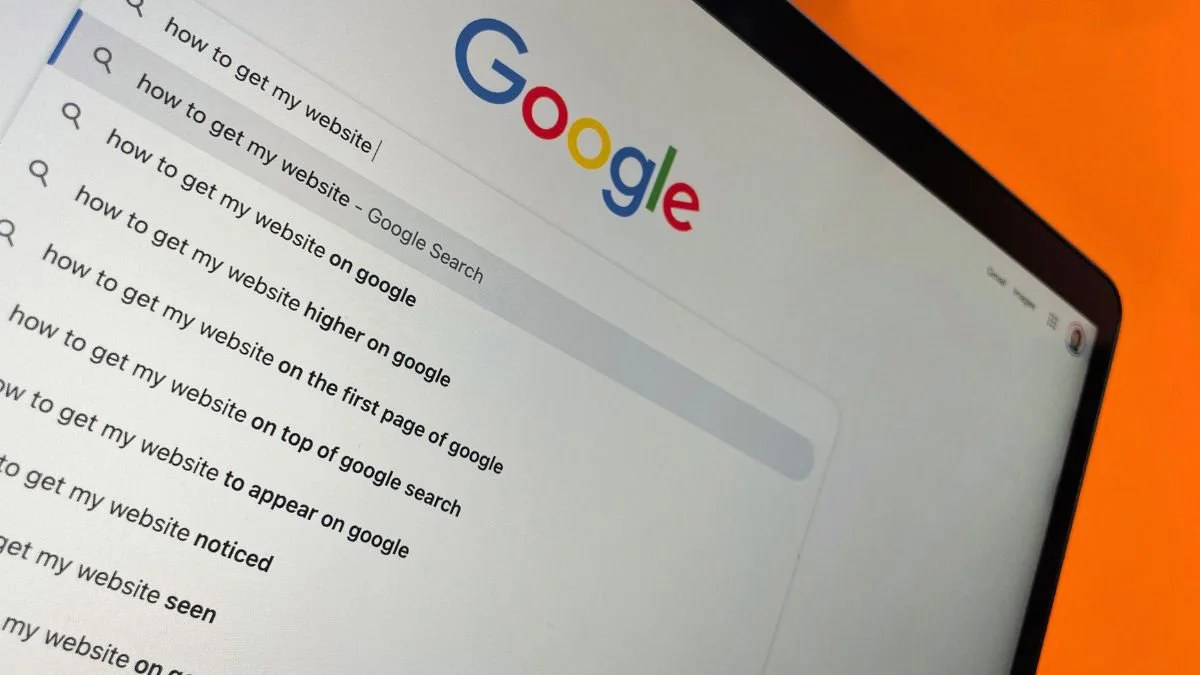
If you’ve ever tried to understand SEO and ended up feeling more confused than when you started, you’re not alone. It can sound overly technical, full of acronyms and advice that feels written for developers or marketers, rather than small business owners who just want to get their website noticed.
But it’s simpler than you think.
SEO (Search Engine Optimisation) is just about making your website easier for the right people to find, understand, and trust.
You don’t need to know every ranking factor or keep up with every algorithm update to make progress. A few clear, sensible improvements will take you further than you think.
What search engines actually look for
Search engines are trying to do one thing: match people with the best possible answer to what they’ve searched for. Pages that are relevant, useful and easy to read.
So when someone lands on your website, it should be obvious within a few seconds what you do, who you help, and what they should do next.
A lot of people assume SEO is mainly technical. And while things like page speed, mobile friendliness, and a sensible page structure all matter, they’re not the starting point. If your messaging isn’t clear, the technical side won’t carry it.
That’s why SEO is less about “being found” and more about being understood.
Why design has a direct impact on SEO
Good design helps people find what they need, quickly.
If your page feels cluttered, your menu is confusing, or the key information is buried too far down the page, people are more likely to leave before they’ve understood what you offer.
This is where design becomes part of the SEO picture. A website with a clear layout, sensible page structure and a logical flow is easier for people to use, and easier for search engines to interpret.
If you’re looking at your own website, it can help to step back and ask whether the most important information is easy to spot. If not, it might need a rethink.
A good example of this in practice is a clear, focused homepage that immediately tells visitors what the business does, who it’s for, and why they should care.
Writing for humans and Google
Google’s latest updates are all about helpful, people-first content. Which is great…because people buy from people, right?
If your website reads like a CV or generic AI waffle, with more keyword stuffing than you can wave a turkey at, you’ll likely turn your customers (and Google) right off.
If you’re writing pages for your website, try to think about the questions your ideal client is actually asking. What are they searching for? What do they need to know before they get in touch? What worries or hesitations might they have?
Talk directly to your customer - make it clear, conversational, and sound like you. If a sentence sounds off when you read it aloud, it probably needs another look.
Search engines are much better at understanding context than they used to be, so clarity beats cleverness every time.
What about AI Search and Answer Tools?
You don’t need to treat this as a separate task.
You might be hearing terms like GEO (Generative Engine Optimisation) or AEO (Answer Engine Optimisation)…yes, more acronyms…but in reality, the fundamentals haven’t changed.
Well-structured, helpful content doesn’t just support traditional SEO. It also makes it easier for AI tools to understand and reference your site.
Clear structure, straightforward language, and direct answers go a long way. But the real value comes from consistently answering the kinds of questions your customers are already asking.
That’s where a blog can really earn its place - building up useful, relevant content that works for you long after it’s published.
Simple SEO checks you can do yourself
You don’t need a giant SEO checklist to make improvements.
Start with the basics:
Does each page have a keyword-rich title?
Is there clear meta description for each page?
Does your page have a logical heading structure with just one H1?
Are your images/videos compressed with alt text for accessibility?
Does the site work well on mobile?
Is there good internal linking?
If the answer to any of those is “not really” (or “I have no idea!”), you’ve already found a solid starting point for making decent improvements to your website. And if you’d like support, I can help with a website audit and tidy-up.
SEO is ongoing (but that’s a good thing!)
The good news is, SEO is less about one perfect fix and more about gradually making your website clearer, stronger, and more useful.
That doesn’t mean constant rewriting. It usually just means checking in now and then, improving weak spots, and making sure everything is working as it should. And if you rely on local customers, making sure you show up on Google Maps is a simple but important step. Here’s a simple guide to get you started with local SEO.
If you’re looking at your site thinking “where do I even start?”, don’t panic! I’d love to help.